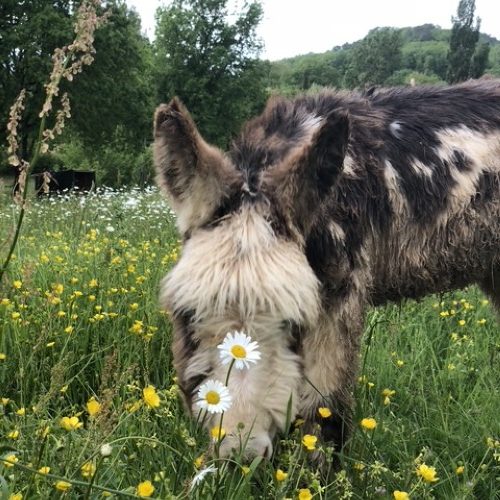
Planning Next Year’s Wildflower Meadow
Start with the Soil
This is the time of year when I start dreaming and planning next year’s garden. And honestly, I can’t stop thinking about soil. The leaves are falling, which makes me ridiculously happy, and I’ve got this brilliant leaf sucker that mulches the leaves as it vacuums them up – and it even runs on a rechargeable battery.
Why am I talking about this when we’re supposed to be chatting about wildflower meadows? Because healthy soil is everything, and leaves help make healthy soil. But I digress – let’s get back to the meadow!
Choose the Best Spot
Sunlight: Most wildflowers absolutely love the sun. Choose a spot that gets at least 6–8 hours of direct sunlight every day.
Soil & Drainage: Wildflowers don’t like soggy land! They prefer well-draining soil. If yours is heavy clay, add compost or plant on a slight mound to improve drainage. A layer of mulched leaves on top will also do wonders for the soil.
Pick the Right Wildflowers
This is where a little planning pays off. Take a walk around your garden and see what grows naturally – the soil in one corner might be completely different from another.
Native vs. Non-Native: Whenever possible, go for native wildflowers. They’re used to your local climate and soil, and they’ll support local wildlife, too.
Mix It Up: A good wildflower mix includes both annuals and perennials that bloom at different times. This keeps your meadow colourful and buzzing with life all season long.
Local Advice: Pop into your local garden centre or just go on a trip around, noting what’s growing naturally in your area.
Get the Site Ready
Prep your soil: Before you sow, add organic matter, such as compost, to improve fertility and structure.
When to Plant: Autumn is a great time to sow wildflower seeds. The natural winter chill helps many species germinate in spring. If you live in a mild climate, early spring works beautifully too.
It’s Time to Plant!
Sowing Seeds: Scatter your wildflower seeds evenly over the prepared area. They’re tiny, so don’t bury them too deep – just press them gently into the soil or lightly rake them in. Mixing seeds with a bit of sand helps spread them evenly.
Watering: Give the area a gentle watering to help the seeds settle in.
Care and Maintenance
Once your meadow starts to grow, Mother Nature will lend a helping hand. Some flowers will thrive, others might not, but that’s okay. Take note of what does well for future sowing.
Watering: Most wildflowers are drought-tolerant once established, but if there’s a heatwave, an occasional drink will help them keep blooming.
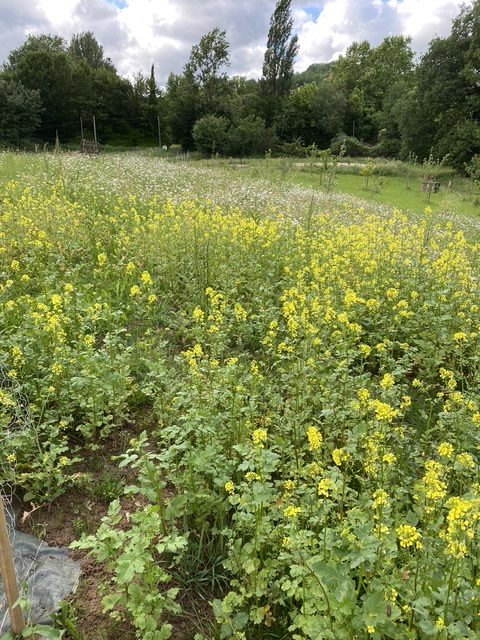
Patience: Wildflowers often take a full season to really bed in. Don’t worry if it looks a little sparse at first – it will get better with time, as the perennials establish and self-seed.
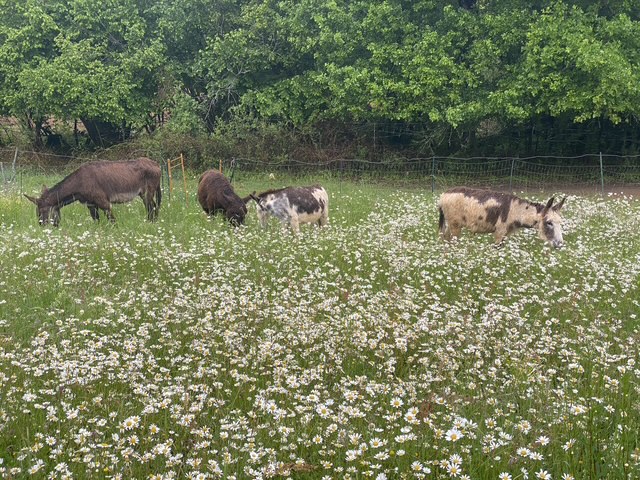
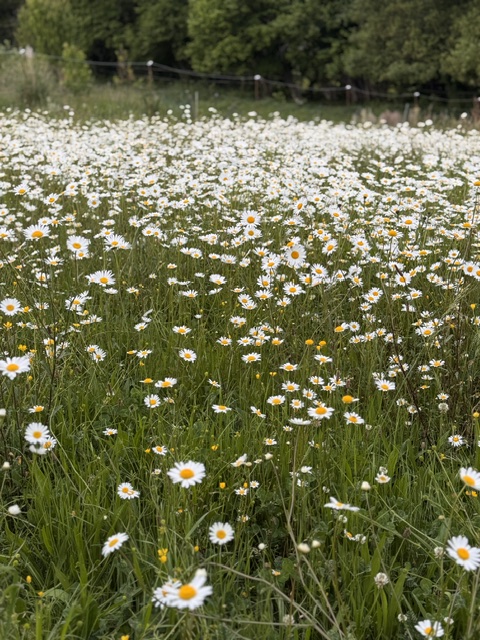
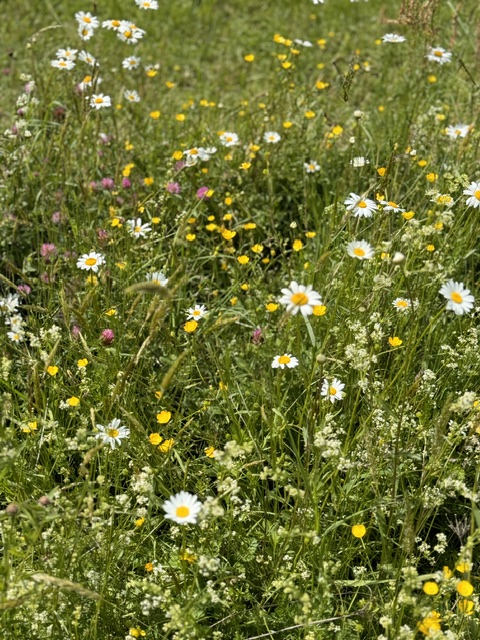
Sit Back and Enjoy 🌸
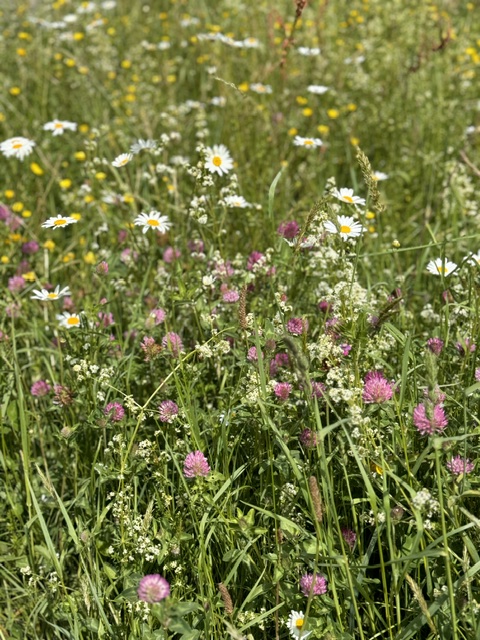
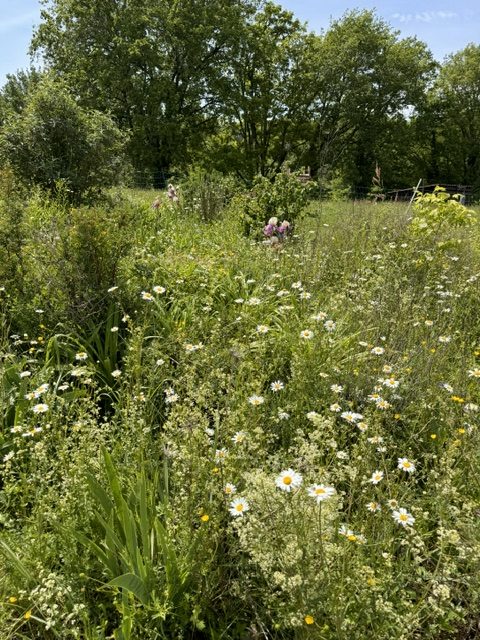
Your wildflower meadow will soon become a buzzing, fluttering haven for bees, butterflies, and other friendly bugs. It’s absolutely wonderful to see them all zipping around.
Enjoy the ever-changing colours through the seasons. Some flowers will bloom briefly and fade, making space for new bursts of life – that’s the beauty of a natural garden!
By following these steps, you’ll have a vibrant wildflower garden that not only looks stunning but also supports local wildlife and builds healthier soil year after year. So grab that rake (and maybe your leaf sucker!) and start dreaming of next year’s meadow – your soil will thank you for it.
And remember, the more plants we grow that cover the soil, the more we protect it, and sink carbon from the atmosphere into the soil. The planet will be eternally grateful to you. 🌍