
Preparing the Farm for Spring: Compost, Planting & Protecting the Chickens
Waiting for Spring on the Flower Farm section
This time of year on the farm is always a strange one. The weather has been thoroughly foul, and while I’m desperate to get outside planting and sowing seeds, most of the work at the moment is preparation and planning. Spring still feels a little way off, but behind the scenes, there’s been plenty happening to get ready for the growing season ahead.
Building Flower Beds and Making Natural Compost
One of the biggest jobs recently has been preparing the flower beds ready for planting dahlias later in the year. Rather than simply using shop-bought compost, we create our own nutrient-rich compost directly in the beds where it will be needed. This involves layering:
- Donkey manure
- Straw
- Garden weeds
- Fallen leaves
Everything is mixed together and then covered to allow it to break down naturally.
Donkey manure is wonderfully gentle compared to chicken manure, which is extremely high in nitrogen. Chickens eat a varied diet, including insects and worms, which makes their manure very strong. If used too soon, chicken manure can actually burn plants, so it requires a much longer composting process. Donkey manure, however, is far easier to work with because donkeys mainly eat grass and hay. The beds are being prepared one at a time: covered and left to compost slowly, ready for planting season.
Checking Peonies and Planning New Planting
Another important winter task has been checking on our peony roots. I’ve been carefully looking for signs of growth and marking any emerging shoots with sticks so I can see what’s coming up and where I plan to plant new ones. I’m hoping to plant around twenty new peonies as soon as the rain eases. Ideally, this would have been done before winter, but the constant rain has delayed many outdoor jobs this year.
Tulips and Alliums Starting to Grow
There are some early signs of spring appearing in the flower beds. The alliums planted back in November are now beginning to grow, and the first tulip shoots have just started pushing through the soil. Last year’s tulips were beautiful, but their stems were too short for cut flower arrangements.
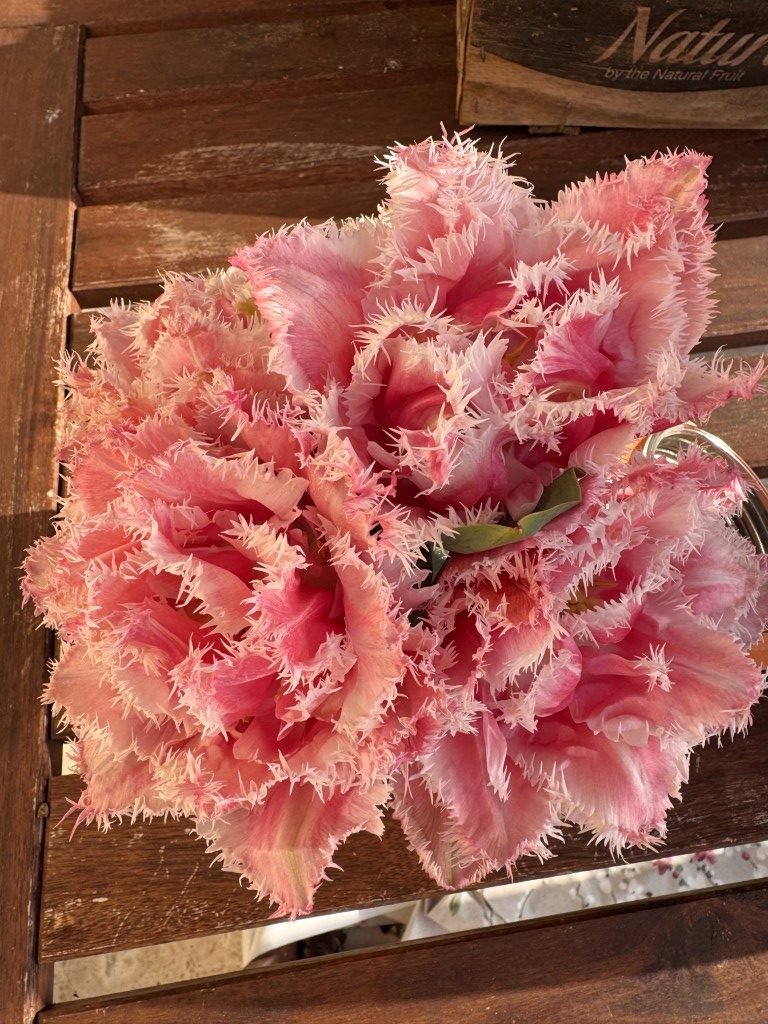
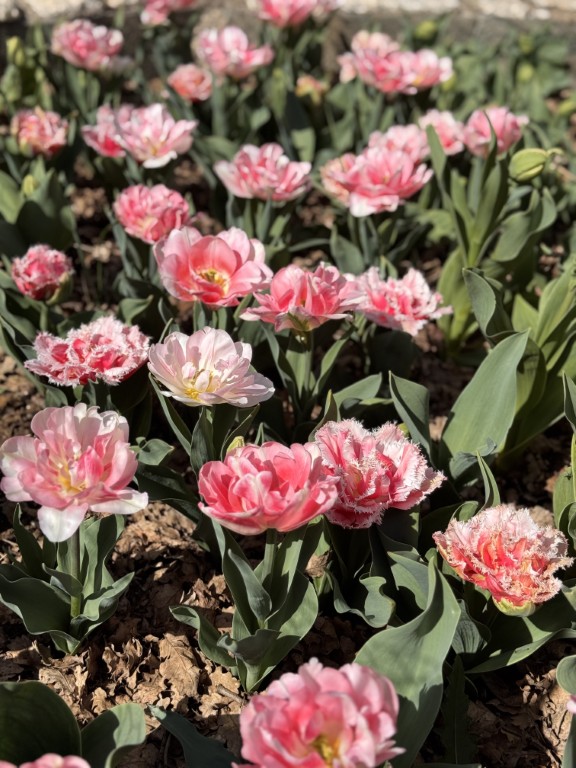
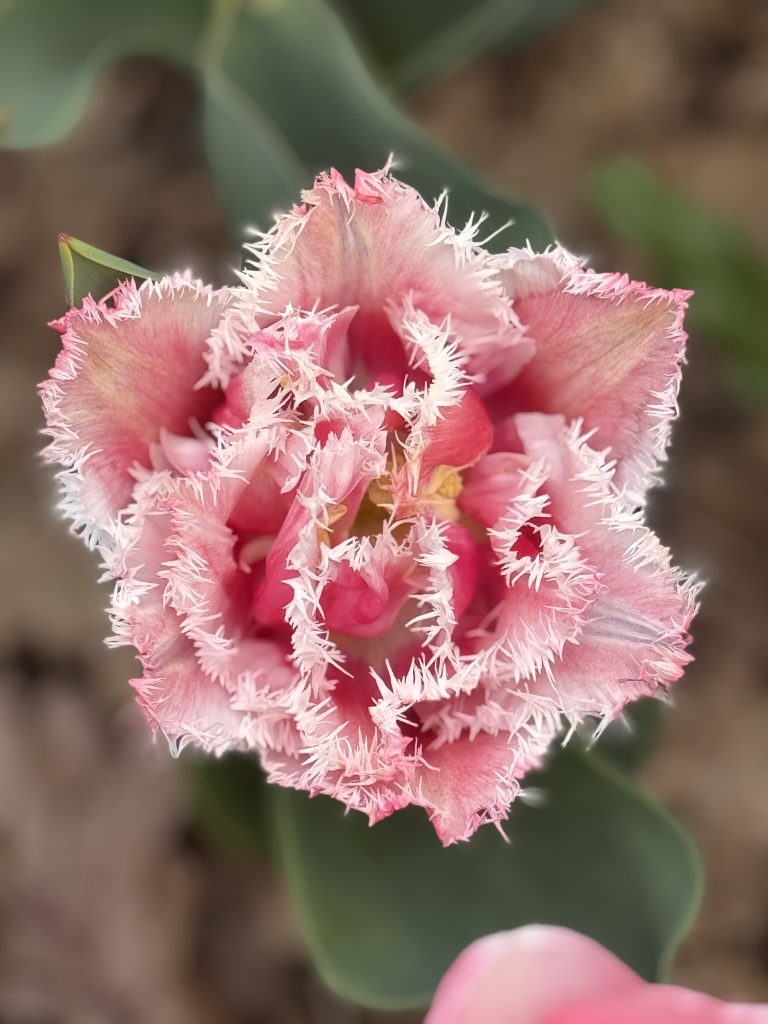
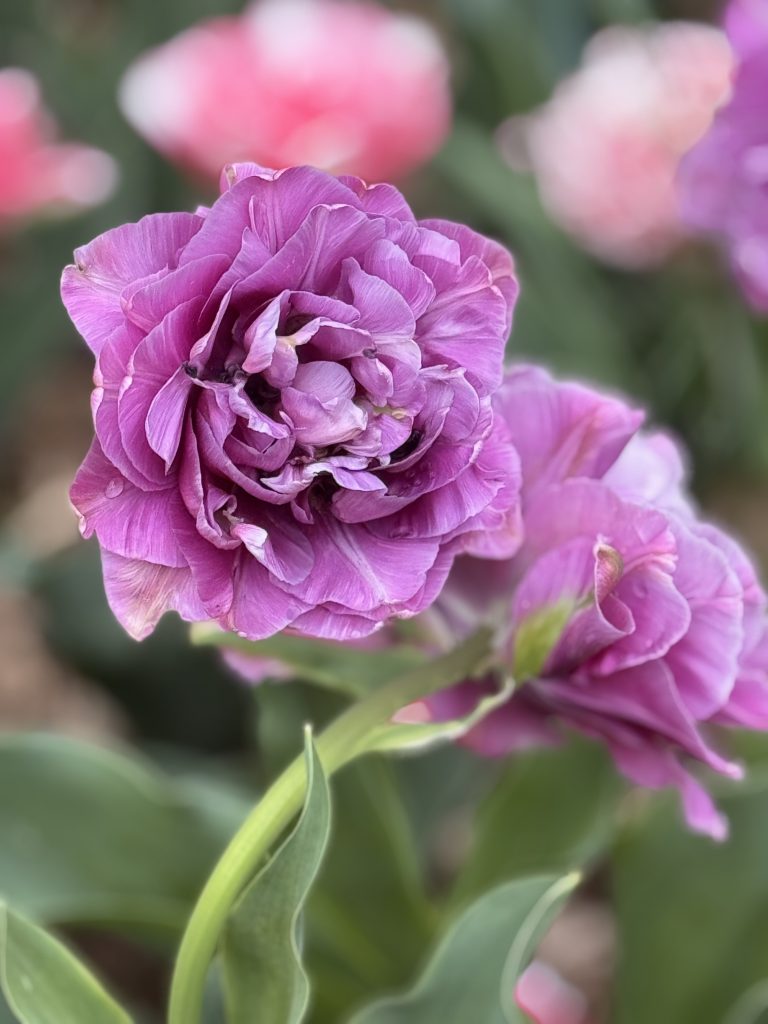
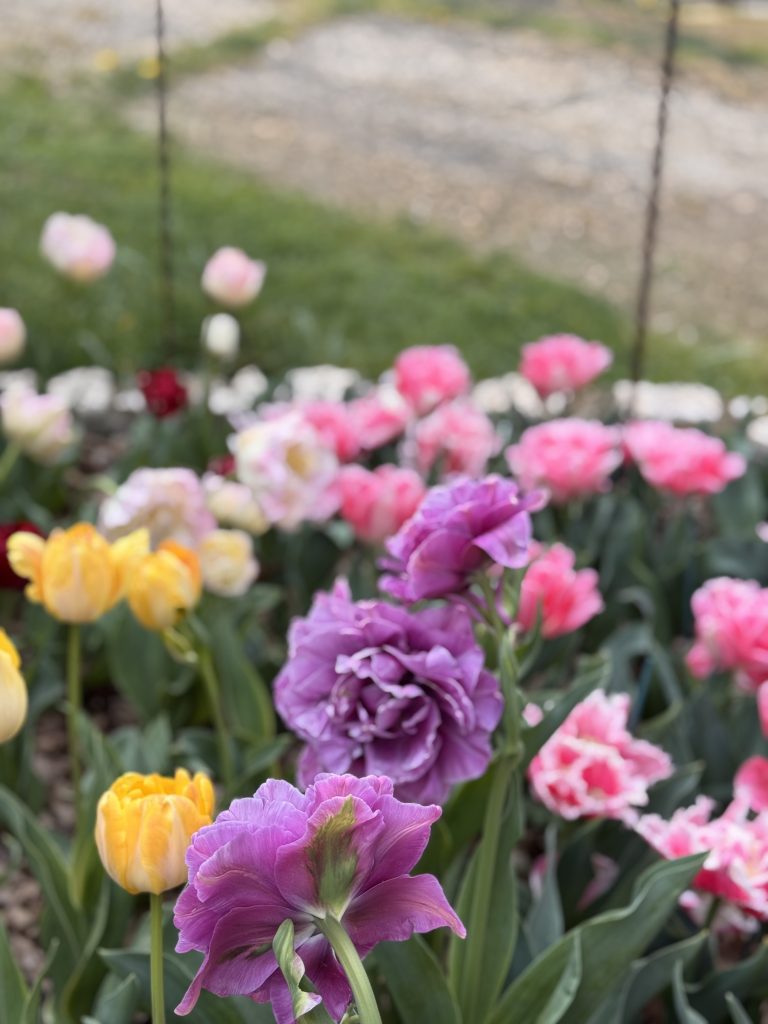
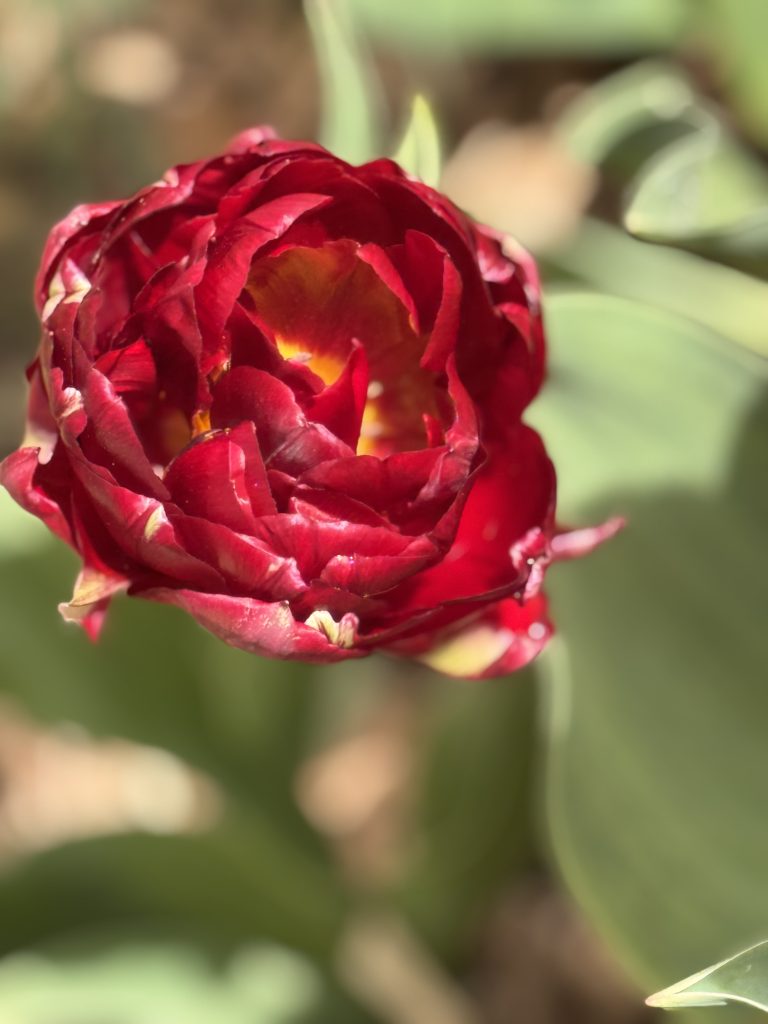
This year, I’ve planted the tulip bulbs much closer together. Commercial tulip growers plant bulbs densely to encourage competition for light, which can help produce longer, stronger stems. Whether this technique works remains to be seen, but it will certainly be interesting to watch.
If the stems grow taller but become slightly weaker, I may need to provide support later in the season.
Winter Farm Maintenance and Tool Preparation
Winter on a small flower farm is also about maintenance and organisation. Garden tools are being cleaned, checked, and prepared, ready for the busy spring planting season. I’ll post some pictures of my tools another time. Some are useful, and others are amazing.
There are also ongoing planting plans within the agroforestry area of the land, where trees, shrubs, and plants are grown together to create a more natural and sustainable ecosystem.
Planting Willow Trees in the Agroforestry Area
Yesterday, I planted around twenty willow cuttings kindly given to me by a neighbour. Willow is wonderfully easy to propagate. The cuttings were simply pushed directly into the soil, and with a bit of luck and moisture, many should root and grow successfully.
Sadly, the agroforestry area is currently extremely wet. When walking through the area, you can feel water squelching beneath your feet. There is some concern that the prolonged wet conditions may affect certain trees, particularly fruit trees, as waterlogged soil can cause root rot. This will be something to monitor as spring approaches.
Moving Chickens & Ducks to Safety
The wet weather hasn’t just affected planting – it has also meant changes for the animals. All the chickens and ducks have been moved closer to the house for protection from predators. They are now located just outside the bedroom window, where our trusty guard dog, Tay, can quickly react to foxes or other wildlife threats.
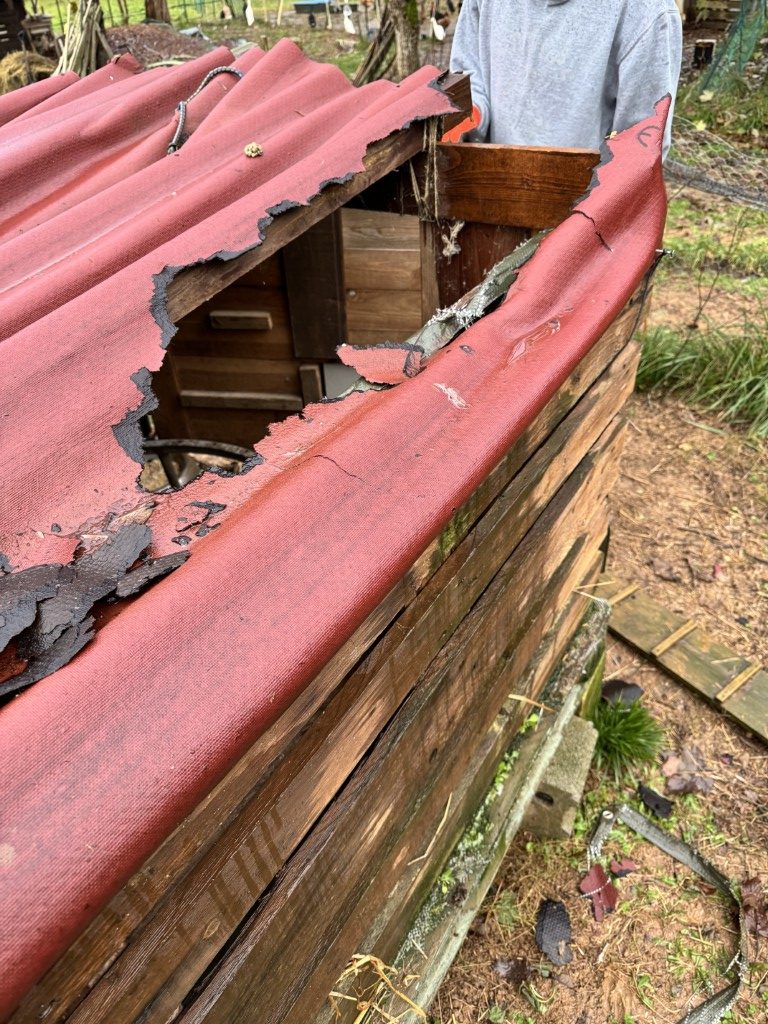
Unfortunately, this move followed a dramatic badger attack. The badger managed to climb onto the chicken coop roof and tear it open completely. Sadly, two chickens were lost, but it could have been far worse.
To further improve their safety, we plan to move another chicken coop into the goat enclosure to provide the hens with additional protection. The birds are always locked away overnight, but predators can be surprisingly determined.
Future Plans for the Cob Chicken House
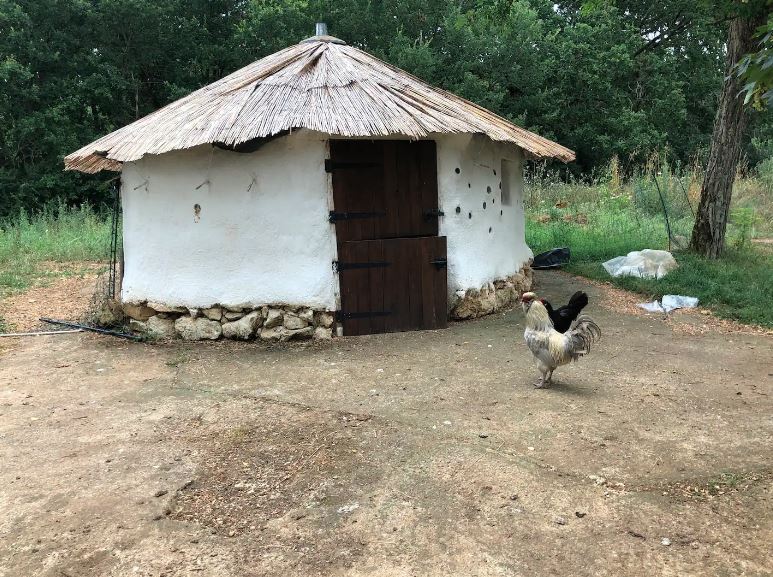
Our beautiful cob chicken house at the bottom of the land will remain empty for now. Instead, it may soon become a comfortable home for our surplus cockerels, providing them with a safe, sheltered space of their own.
Looking Ahead to Spring
Much of farm life at the moment involves planning and preparing rather than planting. Over the next month, I’ll map out the flower beds in detail and finalise planting plans for the upcoming growing season.
For now, we wait for drier weather, longer days, and the unmistakable signs that spring has finally arrived.
It’s time for planning events for our local Climate cafe. The clothes sale will be here soon; a workshop for local children is starting in April, and various informative coffee mornings are planned. It’s perfect planning weather.
There may still be plenty of mud, but there is also plenty to look forward to as well.